What Happens When the U.S. Dollar Falls? Investment Opportunities Explained
Bob Graham – Riggs Asset Management Company
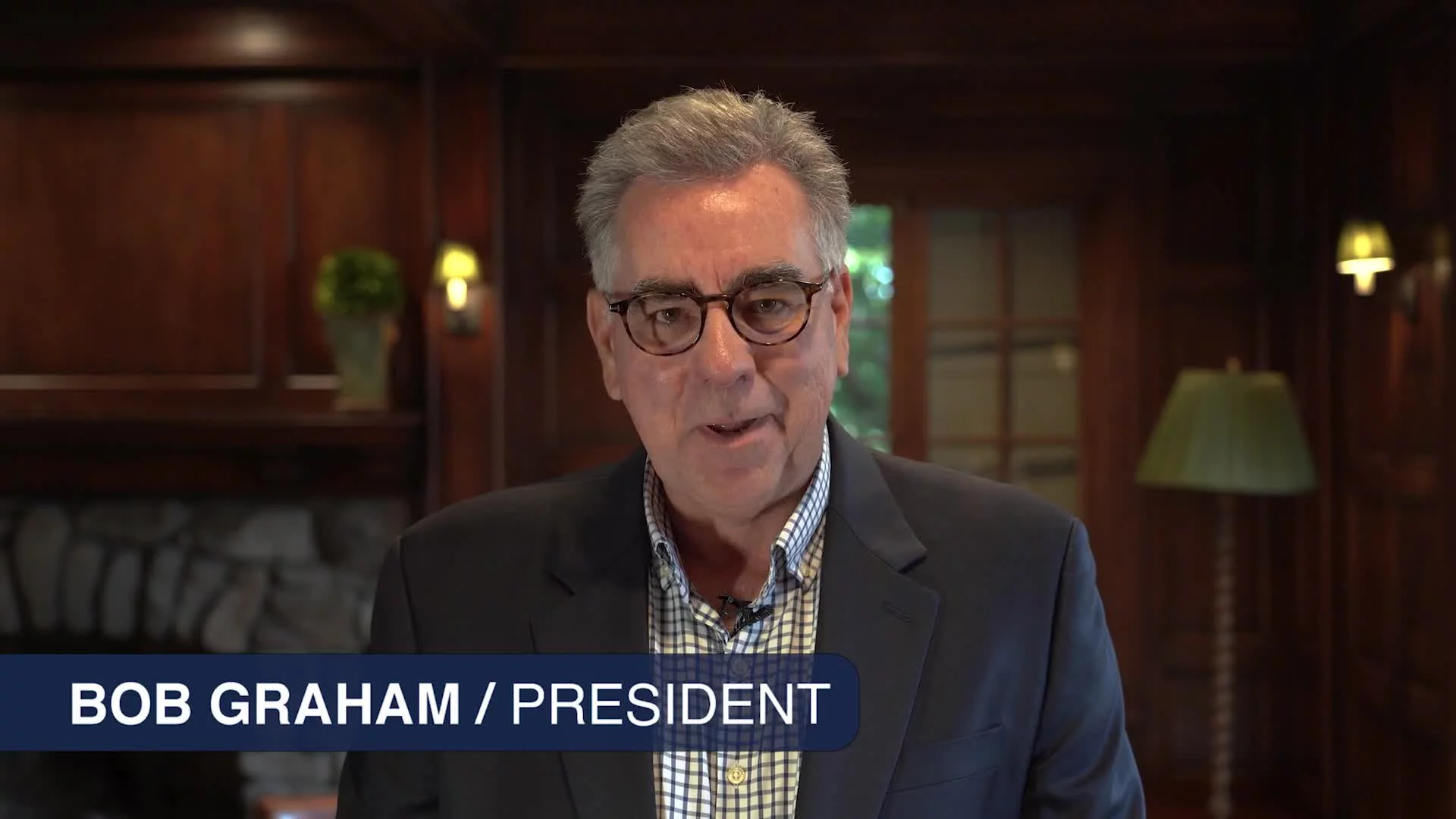
Hi there. This is Bob Graham with Riggs Asset Management Company.
Today I want to talk about something that might be a little different from our usual discussions.
There has been a lot of conversation recently about the U.S. dollar, particularly the idea that the dollar may decline in value over time.
If you look at a long-term chart of the dollar going back to 1971, when the United States moved off the gold standard, you’ll see that the dollar has traded within fairly large ranges over time.
Right now, the dollar is roughly in the middle of its long-term historical range.
However, it appears likely that we could see the dollar gradually move lower over the next year or perhaps the next several years.
When we think about that possibility, it’s useful to ask an important question:
What happened the last time the dollar went through a sustained decline?
To answer that, we can look back to the period between 2002 and 2007.
During those years, the dollar steadily trended lower.
Of course, movements in markets rarely happen in a straight line. The dollar moved in a pattern of two steps down, one step up — two steps down, one step up.
That’s likely the kind of pattern we would expect if the dollar declines again.
So what happened in the markets during that time?
Several sectors performed extremely well.
For example:
Copper rose about 450%
Gold increased roughly 250%
Industrial metals rose about 260%
In the U.S. equity market, some of the strongest-performing sectors included:
Energy, which rose approximately 240%
Materials, which increased around 170%
International markets also performed strongly.
For example:
Developed markets, such as those in Europe, rose roughly 170%
Emerging markets, including many countries in Asia and Latin America, increased by around 240%
So what does that tell us?
It suggests that periods of dollar weakness often coincide with strong performance in commodities, materials, and international markets.
There’s an old saying in investing:
History doesn’t always repeat itself, but it often rhymes.
Interestingly, when we look at the markets today, we’re beginning to see some of those same trends emerge.
Some of the stronger areas in the market right now include:
Metals and mining companies
Precious metals
Industrial metals
International equity markets, both developed and emerging
If the dollar continues to move lower, these areas may continue to perform well.
It’s important to note that a weaker dollar isn’t necessarily good or bad — it’s simply an environment, much like the weather.
But understanding that environment helps us identify where opportunities may exist.
Because of that, if you look at your portfolios, you’ll see exposure to areas such as:
International markets, which could potentially expand
Materials and metals, including both base and precious metals
Energy-related sectors
Historically, during periods of dollar weakness, some of the strongest-performing sectors in the United States have included:
Energy
Materials
Utilities
Industrials
Our goal is to position investments in areas where capital is most likely to be treated well given the current economic environment.
If the dollar continues to gradually decline as we expect, those areas could provide meaningful opportunities.
Of course, if conditions change, we’ll adjust accordingly.
But for now, we believe understanding the dollar cycle helps explain where the strongest investment opportunities may emerge.
If you have any questions about this video or about your portfolio, please reach out to your Riggs team member.
We’re always here to help in any way we can.
Thank you very much.