Federal Reserve Cuts Interest Rates: What It Means for Stocks, Bonds, and the Economy
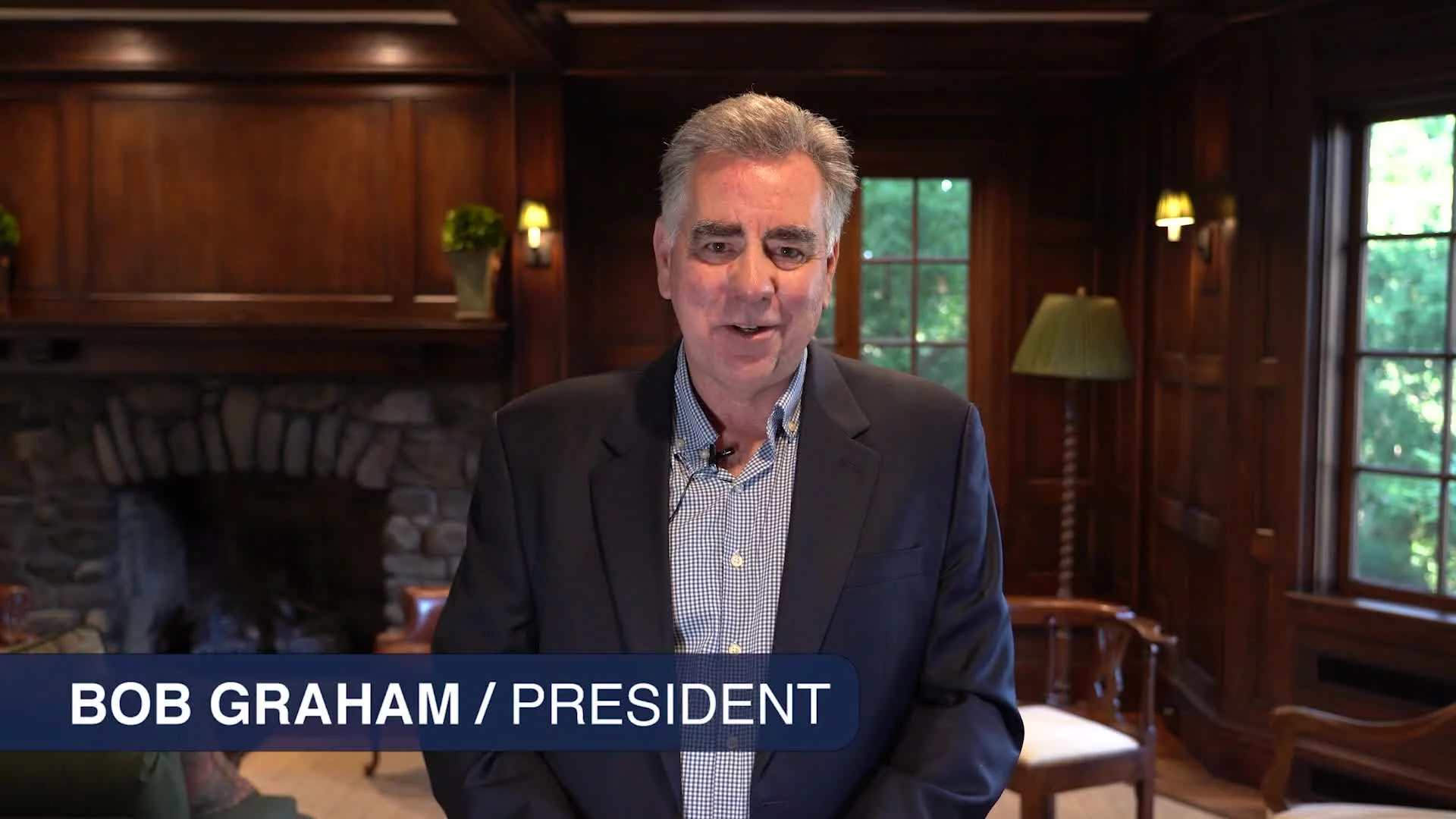
Hi there, this is Bob Graham from Riggs Asset Management Company.
Today I want to provide a market update as we approach the end of the quarter.
As you’ve likely seen from reviewing your statements, your portfolios are doing very well this year, and the entire Riggs team and Riggs family are very proud of what we’ve accomplished.
Across the board — whether we’re talking about bond portfolios, equity portfolios, or balanced portfolios — it’s been a very strong year.
Having said that, we’ve recently seen some important changes in the markets.
Just yesterday, the Federal Reserve began cutting interest rates again.
Looking ahead, we believe the Fed may reduce interest rates by roughly three-quarters of a percentage point to as much as one full percentage point over the next several months, potentially extending into early 2026.
We arrive at that expectation by closely watching what’s happening in the bond market, particularly the two-year U.S. Treasury yield.
As I’ve mentioned before, the Federal Reserve often follows the direction of the two-year Treasury. When the two-year Treasury yield moves lower, the federal funds rate tends to follow.
Right now, the bond market is indicating that we could see 75 to 100 basis points of interest rate cuts ahead.
So why is the Federal Reserve making this move?
Primarily because employment growth has been slowing.
If you look at the data over the last four years, the number of new jobs created each month has gradually declined. At this point, the Fed likely felt they needed to respond.
Whether they are slightly early or slightly late is always debated, but the reality is that they are now in a position where they need to act, and that likely means lower interest rates in the near term.
Now let’s talk about what that means for the markets.
Impact on the Bond Market
For the bond market, lower interest rates are generally a major positive.
As you know, when interest rates fall, bond prices typically rise. When bond prices rise, the value of fixed-income portfolios increases.
We’ve actually adjusted our portfolios in anticipation of this shift, positioning them to benefit from declining interest rates.
Because of that positioning, we believe bond portfolios could perform very well over the coming months.
Impact on the Economy
Lower interest rates also tend to support the broader economy.
If you’re borrowing money to buy a home, a car, equipment, or machinery, lower interest rates make that borrowing more affordable.
As a result, lower rates can stimulate activity in areas such as:
Housing
Automobiles
Capital investment by businesses
They can also benefit cyclical industries, including:
Banks and financial companies
Industrial companies
Businesses involved in capital equipment and infrastructure
Overall, lower borrowing costs tend to encourage economic activity, which is generally positive for growth.
Impact on the Stock Market
Lower interest rates also tend to support equity prices.
Because of that, we believe the stock market rally can continue.
However, the path forward may be somewhat bumpy, particularly as we move into the fall. Historically, the fall season often brings market pullbacks.
Our expectation is that if those pullbacks occur, they will likely be relatively shallow and may present buying opportunities.
We believe our current portfolio positioning allows us to take advantage of those opportunities.
Key Investment Themes
Several long-term themes remain particularly strong, including:
Artificial intelligence
Infrastructure investment
Energy and electricity demand
The continued build-out of AI systems requires enormous computing power — and that requires massive amounts of energy and electricity.
As a result, the development of energy infrastructure and power generation will likely remain an important and growing part of the economy.
Because of these trends, we see an environment where:
Bond prices may move higher
Stock prices continue rising over time
Markets experience some short-term volatility but maintain an overall upward trend
In our view, we’re currently in a very favorable environment for both equities and fixed-income investments over the coming months.
If you have any questions about this update or would like to discuss the markets in more detail, please feel free to reach out to your Riggs team.
Whether you have questions about the markets, your portfolio, or personal financial planning, we’re always here to help.
I hope you found this update helpful, and I look forward to speaking with you again soon.
Thank you very much.