Federal Reserve Rate Cuts: What It Means for Markets and Gold
Bob Graham – Riggs Asset Management Company
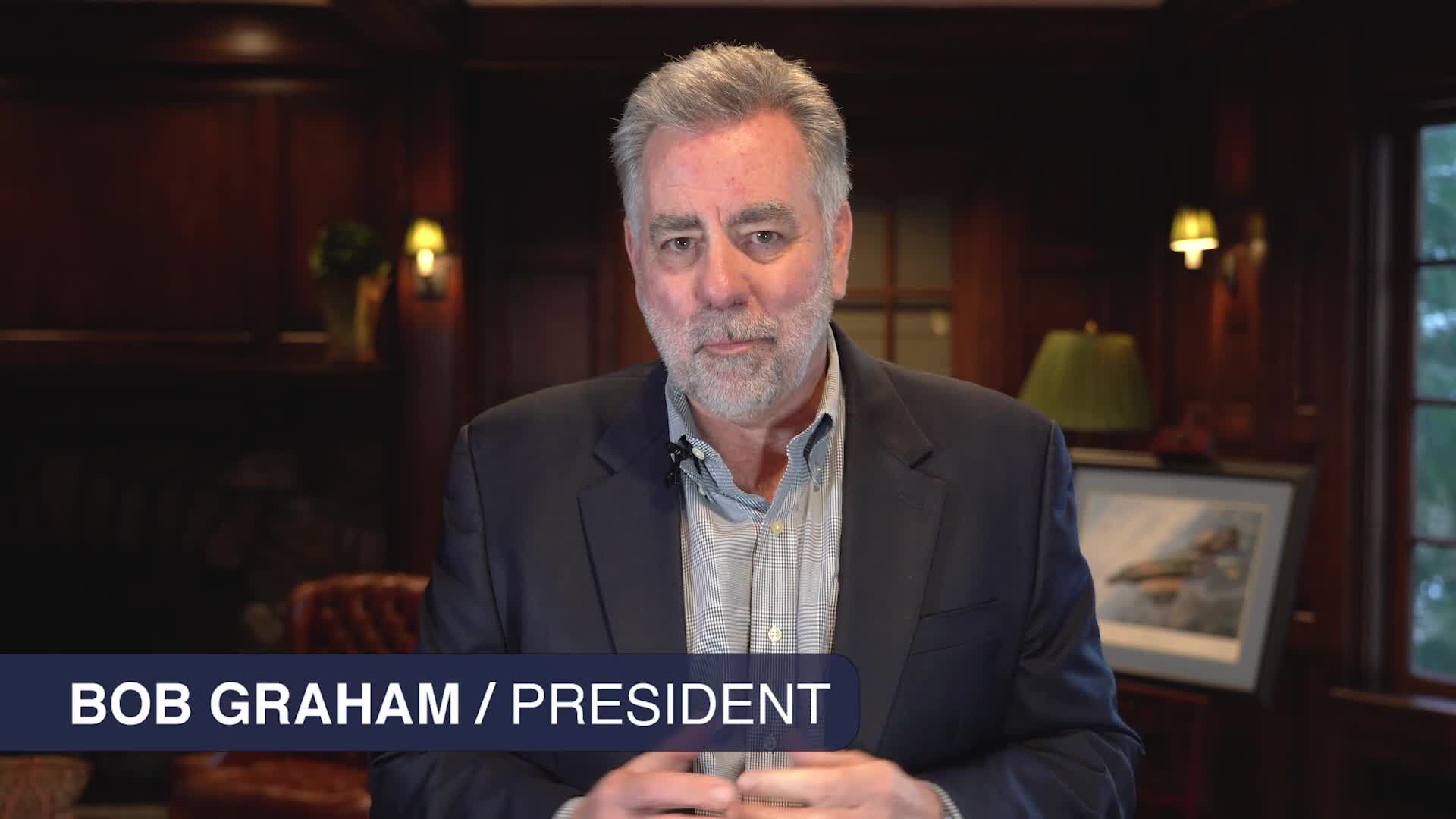
Hi, I’m Bob Graham, President of Riggs Asset Management Company.
Today I want to talk about something a little different.
Next week we have a Federal Reserve board meeting, and while these meetings occur roughly every six weeks, we don’t usually spend much time discussing them.
But this one is a little different because there’s a lot going on in the current interest rate environment.
A Very Unusual Rate Environment
Let’s take a step back and look at the broader picture.
Over the past two and a half years, we’ve experienced what I would describe as a very unusual interest rate environment.
In 2022, the Federal Reserve began what became the fastest and most aggressive interest rate increase cycle in U.S. history.
In a relatively short period of time, the Fed raised short-term interest rates from near zero to approximately 5.5%.
Over the past year, they’ve largely held rates steady around that level.
Now, however, the Federal Reserve has indicated that it may soon begin reversing that process by cutting interest rates and lowering short-term borrowing costs.
Lower interest rates can have several effects on the economy.
For example:
Mortgage rates may decline
Auto loans and consumer borrowing may become more affordable
Businesses may find it easier to finance investments
These developments can generally be positive for economic activity.
However, there are also some trade-offs.
As rates decline, money market yields will likely fall, and bond yields will decline as well.
When bond yields decline, bond prices rise, because bond prices and yields move in opposite directions.
Market Expectations for the Fed
Right now, the financial markets are trying to anticipate what the Federal Reserve might do.
Current market expectations suggest:
Roughly a 60% probability of a 25 basis point rate cut (a quarter of one percent)
About a 40% probability of a 50 basis point cut (half of one percent)
The difference between those two outcomes could have a meaningful psychological effect on the markets.
If the Fed cuts only 25 basis points, some investors may worry that the Federal Reserve is moving too slowly to address a slowing economy.
On the other hand, if the Fed cuts 50 basis points, some investors might wonder whether the economy is weaker than expected, and whether the Fed is reacting to information that markets may not yet fully see.
Because of that uncertainty, we could see significant volatility in the markets both before and after the meeting.
Why Gold Could Benefit
Interestingly, there are certain assets that tend to benefit in this type of environment.
One of those is gold.
Recently, gold prices have been reaching new all-time highs, and gold mining companies have also been performing strongly.
There are a few reasons for this.
First, when the Federal Reserve begins cutting interest rates, gold often becomes more attractive relative to other assets.
Second, lower interest rates can put downward pressure on the U.S. dollar.
When the dollar weakens, gold often rises in value.
Third, gold mining companies may benefit because of changes in their cost structure.
As the economy slows, the price of energy—particularly oil—often declines.
Energy is one of the largest operating costs for gold mining companies, since extracting gold from the ground requires significant amounts of fuel and power.
So when gold prices rise and energy costs decline, the profit margins for gold miners can improve significantly.
Why Bonds Could Benefit
Bonds are another asset class that may benefit in this environment.
As interest rates decline, bond yields fall and bond prices rise.
Because of that relationship, fixed-income investments often perform well during periods when the Federal Reserve is cutting interest rates.
Portfolio Positioning
With all of this in mind, we’ve been positioning portfolios accordingly.
Currently, portfolios include:
Strong exposure to gold and gold mining companies
Significant allocations to fixed-income investments
In fact, we have recently increased positions in gold and gold-related assets.
We’ve also positioned the fixed-income portion of portfolios to benefit from declining interest rates.
So while we may see short-term volatility surrounding the upcoming Federal Reserve meeting, portfolios are positioned to take advantage of the environment that may emerge.
Looking Ahead
This upcoming Federal Reserve meeting may be one of the most important policy meetings in quite some time.
Because it represents a potential turning point in the interest rate cycle, it’s worth paying attention to.
But the important thing to remember is that your portfolios have already been positioned proactively to benefit from the likely outcomes.
If you have any questions about this update—or about the Federal Reserve, the markets, or your personal financial plan—please feel free to reach out to your Riggs investment advisor.
We’d be happy to answer any questions you may have.
Thank you again.