Federal Reserve rate cuts, post-election markets, interest rate outlook, stock market trends.
Bob Graham – Riggs Asset Management Company
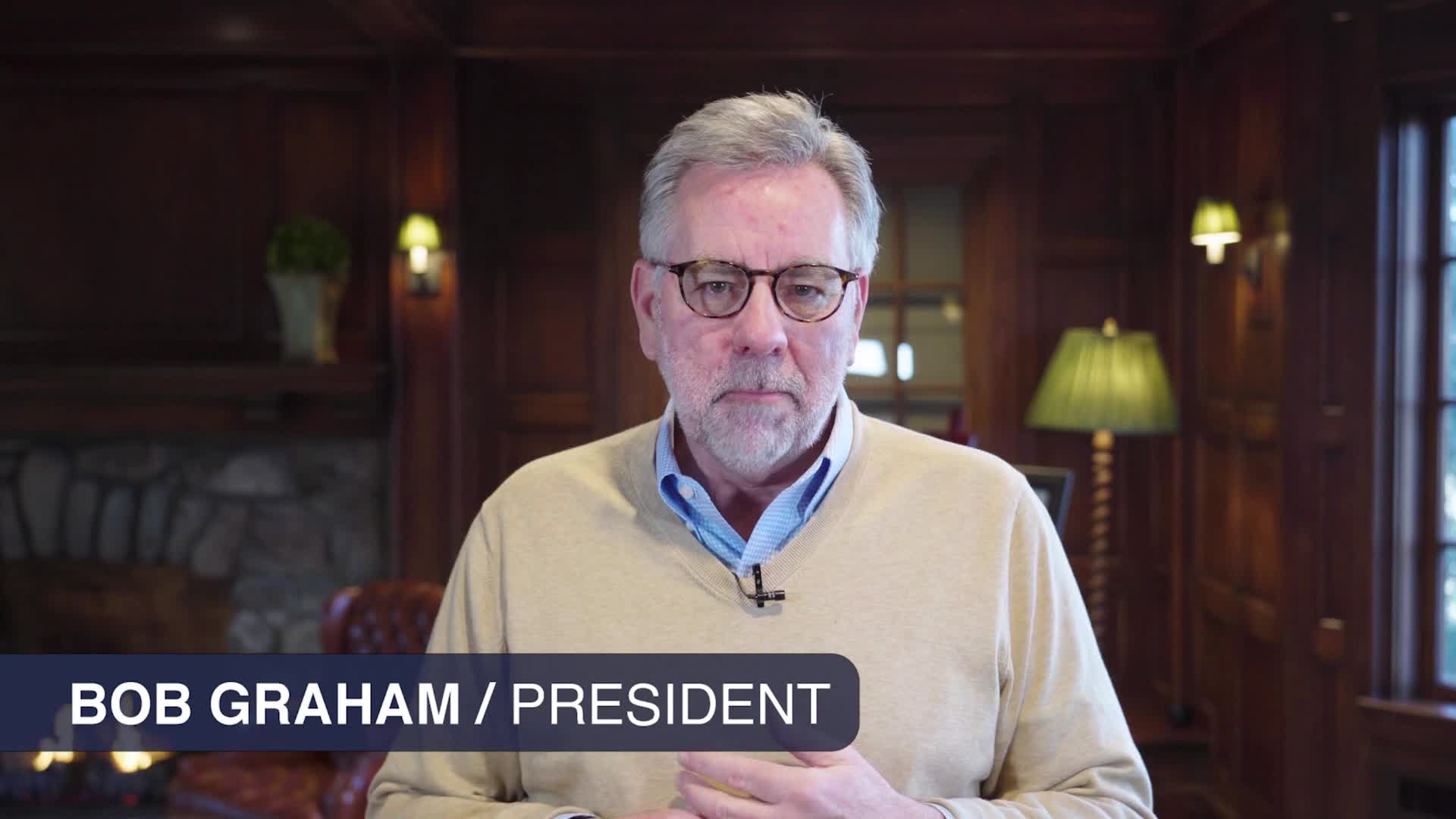
Hi there, I’m Bob Graham, President of Riggs Asset Management Company.
Today I want to talk about two major events that occurred this past week.
Obviously, everyone is aware of the election, but the other major event was the Federal Reserve meeting, where the Fed cut interest rates for the second meeting in a row.
Let’s start by talking about the Federal Reserve and interest rates, and then we’ll discuss the election and what it may mean for the markets.
Federal Reserve Interest Rate Cuts
At the most recent meeting, the Federal Reserve cut interest rates by a quarter of one percent (25 basis points).
At the previous meeting, they had cut rates by 50 basis points.
So over the last couple of months, we’ve seen a total of 75 basis points—or three-quarters of a percentage point—in rate cuts.
That’s a meaningful change in the interest rate environment.
The Federal Reserve has said they are trying to move toward what they call a “neutral rate,” sometimes referred to as the road to neutrality.
That term can sound a bit ambiguous, but it generally means a level of interest rates that neither stimulates nor restricts economic growth.
Historically, if inflation is around 2%, the neutral interest rate has often been somewhere 1% to 1.5% above inflation.
Based on that framework, the federal funds rate could eventually fall somewhere between roughly 3% and 4.5%.
Exactly where it ends up will depend on how inflation behaves going forward, but that range gives us a sense of where the Fed might be heading.
Lower interest rates generally provide benefits throughout the economy.
For example:
Auto loans may become less expensive
Credit card interest rates could gradually decline
Mortgage rates may move lower
Lower borrowing costs make it easier for individuals and businesses to access capital, which can help support economic growth.
At this point, it appears we are on a path where short-term interest rates may continue to move lower over time.
That could be particularly helpful for smaller businesses and households that rely more heavily on borrowing.
The Election and Market Reactions
Now let’s talk about the election.
The election obviously represents a major change in the political environment.
There are significant differences between the Biden administration and the incoming Trump administration.
Investors are already beginning to think about how potential policy changes could affect the economy.
Some of the areas being discussed include:
Tariffs
Regulatory changes
Possible tax adjustments
We actually got an early glimpse of how markets might react.
The day after the election, we saw strong gains in smaller-company stock indices, with some rising around 7% in a single day.
Mid-cap companies also performed very well.
Large companies did well too, but the strongest gains were in smaller companies, reflecting expectations that certain policy changes could benefit those businesses.
Long-Term Investment Themes
While these policy changes may shift which companies benefit the most, the long-term economic themes we’ve been discussing remain firmly in place.
For example, one of the biggest drivers of growth is still the expansion of artificial intelligence and data center infrastructure.
Building AI infrastructure requires enormous resources, including:
Large amounts of electricity
Extremely clean water
Advanced computing facilities
Extensive technological infrastructure
Those needs are not changing.
What could change is which companies benefit the most from that growth.
If regulatory burdens decline, some smaller companies working within these industries may become more competitive.
Infrastructure and Economic Growth
Another major theme is infrastructure investment.
Across the United States, we continue to see significant projects involving:
Airports
Shipping terminals
Railroad infrastructure
Highways and bridges
Water systems
Energy transmission systems
These projects are already funded and underway, and they represent long-term drivers of economic growth.
In addition, the demand for electricity and energy infrastructure will likely grow as the economy expands and technologies like artificial intelligence require more power.
Looking Ahead
So when we step back and look at the bigger picture:
The Federal Reserve is moving toward lower interest rates
The election may shift policy priorities
Long-term economic drivers like AI infrastructure and rebuilding U.S. infrastructure remain intact
One potential shift is that smaller companies may play a larger role in the next phase of market growth.
And that trend could last for several years.
Overall, we believe portfolios are very well positioned to take advantage of both the changing policy environment and the long-term economic trends that continue to shape the markets.
If you have any questions about this update—or about your portfolio or financial planning—please feel free to reach out to your Riggs team.
We’re always here to help.
And before I close, I’d also like to take a moment to thank all of our veterans and wish you a very happy Veterans Day.